How to Get Cited by ChatGPT

Key Takeaways
- ChatGPT favors content that directly answers queries with specific, verifiable information
- Answer-first structure puts your key point in the first 50 words of each section
- Authority signals like author credentials, original data, and expert sources increase citation likelihood
- Schema markup and clean HTML help AI systems parse your content
- Manual testing is currently the only reliable way to track citations
- Traditional SEO fundamentals still apply; GEO is an additional layer, not a replacement
How ChatGPT Decides What to Cite
ChatGPT draws from two primary sources. As a top-10 search destination, it utilizes both its massive training set and real-time web browsing assets. When a user enters a query, the selection logic identifies content that most directly and authoritatively addresses the intent.
Content provides concrete, verifiable data points.
Headers and blocks align with extraction patterns.
Verified expertise signals detected in metadata.
Information current as of active market sync.
The selection process favors certain content characteristics that go beyond traditional keyword matching:
Specificity wins. Content that provides precise answers with concrete details gets cited more often than vague overviews. If someone asks about conversion rate benchmarks, a response citing “the average e-commerce conversion rate is 2.5-3%” beats “conversion rates vary by industry.”
Structure helps parsing. AI systems can more easily extract information from well-organized content. Clear headers, logical flow, and distinct sections make your content easier to process and cite. This is a technical requirement, not just a layout preference.
Authority compounds. Content from recognized experts and sites with proper attribution tends to surface more frequently. The AI is making judgment calls about trustworthiness based on metadata and citation history across the web.
Recency matters for current topics. For questions about recent events, trends, or technical standards, updated content has a significant advantage. Stale information in the training set is often overridden by fresh, crawlable data.
The Content Structure That Performs
Structure isn’t about formatting for its own sake. It’s about making your content easy for AI systems to understand and extract without halluncination or error.
Answer-First Format (BLUF)
In the technical world, we call this the “Bottom Line Up Front.” Put your primary answer in the first 30-50 words of each major section. Don’t build up to your point with background context. State the answer, then use the rest of the section to explain the nuance.
Header Strategy
Your H2s and H3s should match the questions users actually ask. Instead of creative headers, use diagnostic ones. Match queries with headers like “What is a good email open rate?” or “Average email click-through rates by industry.” This aligns with the “Query Fan-Out” logic we see in modern retrieval systems.
FAQ Sections
FAQ sections provide clean, semantic question-answer pairs. When these are marked up with FAQ schema, they become a high-priority extraction point for conversational AI.
Technical Factors for Citation Readiness
Structured data helps AI systems understand exactly what your content is and how it’s organized. Beyond simple Article schema, you should consider:
- Dataset Schema: If you are publishing original research or industry benchmarks.
- Expertise Schema: Linking authors to their verified professional profiles (LinkedIn, ORCID, etc.).
- HowTo Schema: For instructional content, ensuring each step is discrete and verifiable.
The same principles that help screen readers understand your content (Accessibility/ARIA) help AI systems understand it. Clean HTML5 is a prerequisite for reliable citation.
How to Test If You’re Being Cited
Because there is no “AI Search Console” yet, testing remains a manual diagnostic process. We recommend a three-step validation:
- Direct Querying: Ask ChatGPT direct questions related to your core topics and see if it references your domain.
- Source Verification: Use the “Search” feature in ChatGPT to see which sources it pulls for real-time validation.
- Perspective Mapping: Check if the AI uses your unique data or “brand phrases” even if it doesn’t provide a direct link.
The Bottom Line
Being cited by ChatGPT isn’t about gaming an algorithm; it’s about providing the most direct, authoritative, and well-structured answer to a user’s question. In the industrial-grade web of 2026, clarity is the ultimate competitive advantage.
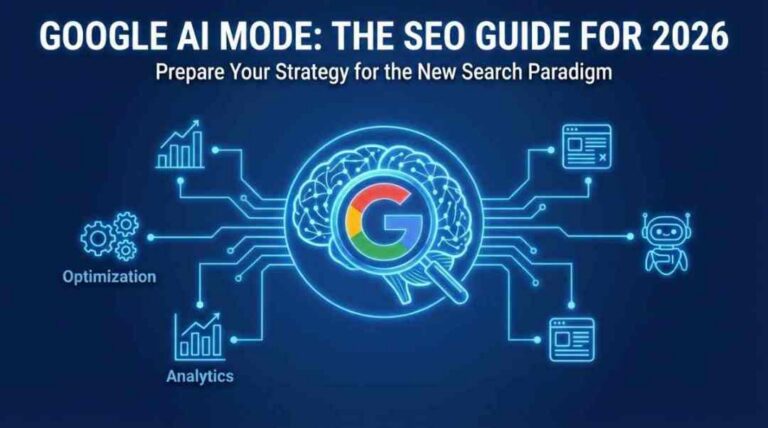
For more on this shift, see our analysis of Google AI Mode or our deep dive into AIO vs ChatGPT strategies.
See what ChatGPT is really searching
SubSeed captures the hidden Google queries ChatGPT runs behind every answer and enriches them with search volume, CPC, and keyword difficulty.
Related Intelligence
Make Gridlok a Preferred Source on Google
See Gridlok surfaced more often in your Top Stories, AI Overviews, and AI Mode. One click, applied across Google Search.